
Nearly half of people who could benefit from acupuncture never try it because they believe common myths about the treatment. These misconceptions keep countless individuals stuck with chronic pain, digestive problems, and stress when relief might be just a few sessions away. At Boulder Dynamic Acupuncture, we hear these same worries from new clients all the time, but the reality of acupuncture boulder treatments is quite different from what most people imagine.
Table of Contents
Myth 1: Acupuncture Is Painful and Scary
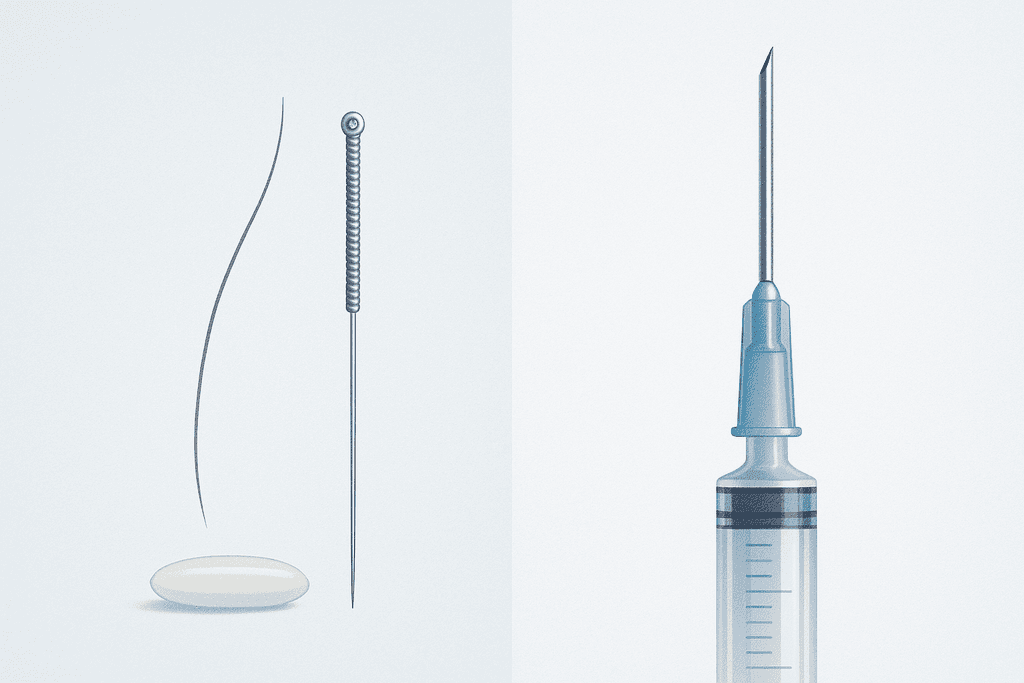
Most people picture acupuncture needles and immediately think of the needles they’ve experienced at the doctor’s office. That mental image keeps a lot of folks from ever trying acupuncture, even when they’re dealing with chronic pain or other health issues. The truth is that acupuncture needles are nothing like the needles used for injections or blood draws. They’re so thin that several acupuncture needles can fit inside one hollow injection needle. The difference in size changes everything about how they feel.
Myth 1: Acupuncture Is Painful and Scary
When an acupuncture needle goes in, most people describe it as a tiny pinch or mosquito bite that lasts less than a second. Some don’t feel anything at all. Brooks Davis personally uses acupuncture to manage his own pain and digestive issues, which gives him a unique understanding of what clients experience during treatment.
| Type | Diameter | Sensation | Purpose |
|---|---|---|---|
| Acupuncture Needle | 0.12-0.35mm | Minimal to none | Stimulate healing |
| Injection Needle | 0.9-1.2mm | Sharp pinch | Deliver medication |
At Boulder Dynamic Acupuncture, the environment itself helps ease any nervousness. The practice uses an amethyst heating pad during treatments, which adds warmth and comfort while the needles do their work. Most clients actually fall asleep during their sessions, which wouldn’t happen if the experience was painful or scary.
The needles are solid and hair-thin, designed to slip between tissues rather than tear through them like hollow needles do. Once they’re in place, you might feel a dull ache or tingling sensation, which actually means the treatment is working. That feeling fades quickly, and then you just relax.
Myth 2: Acupuncture Is Just a Placebo Effect
The placebo effect happens when someone feels better simply because they believe a treatment will work, not because the treatment actually does anything physical. Some skeptics claim acupuncture falls into this category. But here’s what makes that argument fall apart: acupuncture works on animals and babies, who have no expectations or beliefs about the treatment. Dogs with arthritis, horses with muscle pain, and infants with colic all respond to acupuncture, which wouldn’t happen if it was just about believing it works.
Myth 2: Acupuncture Is Just a Placebo Effect
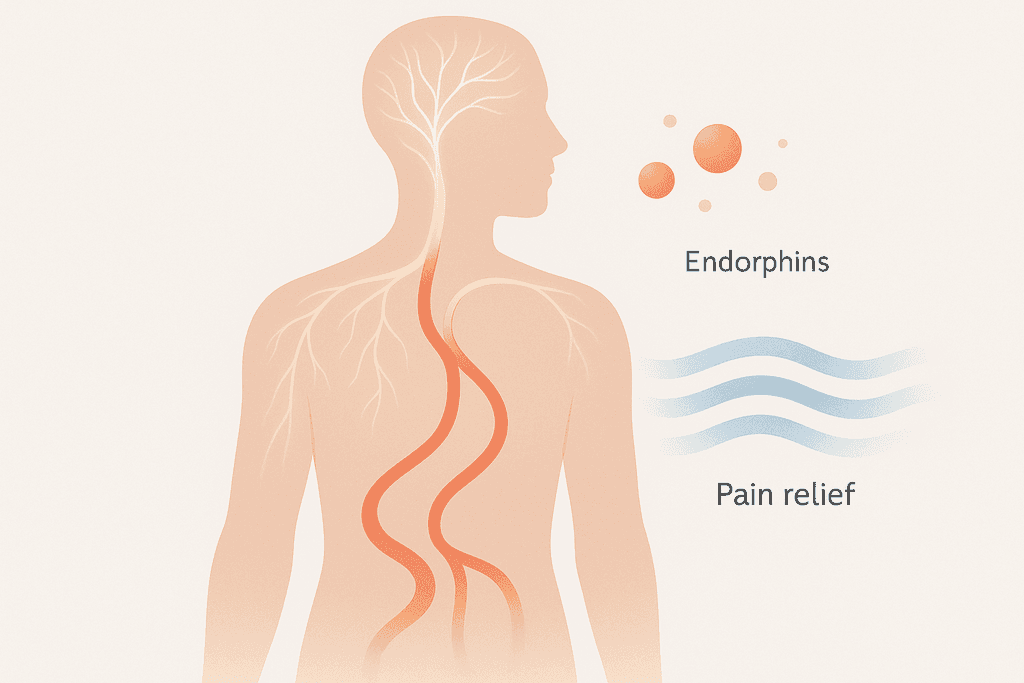
Research shows that acupuncture triggers real changes in your body. When needles are inserted at specific points, they stimulate your nervous system to release natural pain-relieving chemicals like endorphins and enkephalins. These are the same substances your body makes when you exercise or feel happy. The needles also increase blood flow to areas that need healing, bringing oxygen and nutrients while removing waste products that cause inflammation.
- Activates the body’s natural pain-relief system
- Reduces inflammation in affected areas
- Improves circulation to injured tissues
- Regulates nervous system responses
- Releases muscle tension and trigger points
Studies on conditions like back pain and arthritis have shown measurable improvements in patients receiving real acupuncture compared to fake acupuncture or no treatment at all. The National Institutes of Health recognizes acupuncture as an effective treatment for various pain conditions and digestive problems.
Boulder Dynamic Acupuncture combines Traditional Chinese Medicine principles with Western medical understanding to treat chronic pain and digestive issues. Brooks Davis’s background as both a Western herbalist and practitioner of Chinese medicine means treatments address problems from multiple angles, not just one approach.
Myth 3: You Need Dozens of Sessions Before Seeing Results
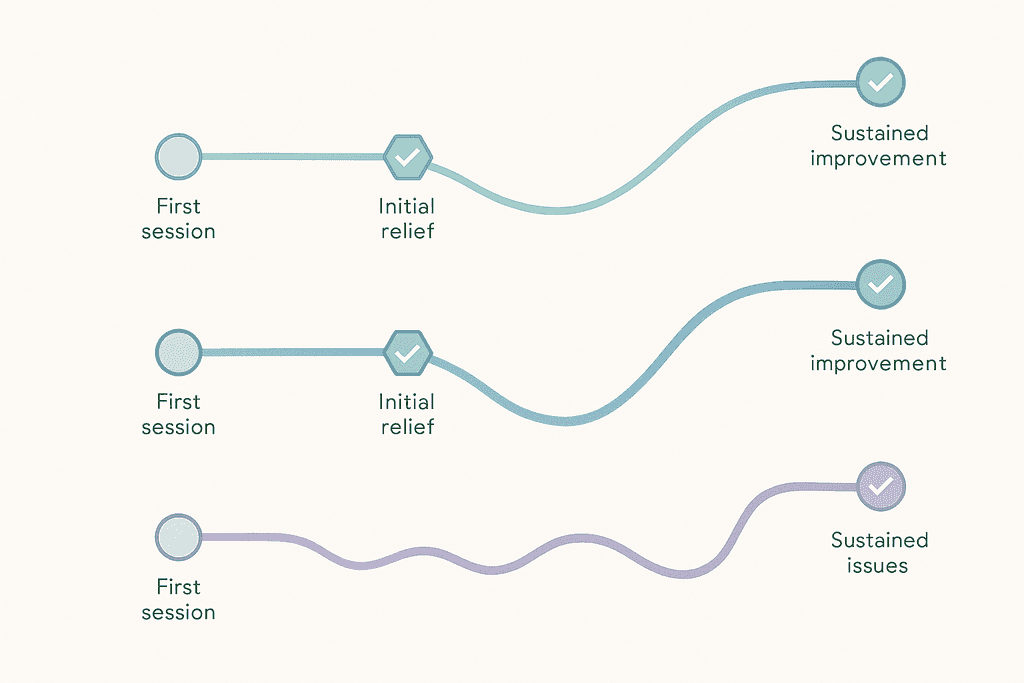
People often worry that acupuncture requires months of weekly visits before anything changes. While some conditions do take time to resolve, many people notice improvements after their very first session. The timeline depends on what you’re treating and how long you’ve had the problem. A recent injury typically responds faster than something you’ve dealt with for years. That doesn’t mean chronic conditions can’t improve, they just need a bit more patience.
Myth 3: You Need Dozens of Sessions Before Seeing Results
Acute problems like a stiff neck from sleeping wrong or sudden back pain from lifting something heavy often feel better within one to three sessions. Chronic conditions like arthritis, IBS, or frozen shoulder usually need a series of treatments to create lasting change. Think of it like physical therapy, you wouldn’t expect one session to fix a problem that took years to develop.
- Initial relief often happens in 1-3 sessions
- Chronic conditions typically need 6-12 sessions
- Maintenance visits help prevent problems from returning
- Each person responds at their own pace
At Boulder Dynamic Acupuncture, treatment plans are personalized based on your specific condition and how your body responds. Brooks Davis works with each client to adjust the approach as needed, rather than following a rigid protocol. Some people come in weekly at first, then space out visits as they improve. Others find that monthly maintenance sessions keep them feeling their best after the initial problem resolves.
Several factors affect how quickly you’ll see results. Your overall health, stress levels, sleep quality, and whether you’re doing things at home to support healing all play a role. Someone who combines acupuncture with proper rest and stress management typically improves faster than someone who continues pushing through pain without making any lifestyle adjustments. The good news is that even if you need multiple sessions, each one builds on the last, creating cumulative benefits over time.
Why These Myths Keep People From Getting Help
The real tragedy isn’t that myths about acupuncture exist. It’s that these misconceptions keep thousands of people trapped in cycles of chronic pain, digestive problems, and mental health struggles that could actually be helped. When someone believes acupuncture is painful, unscientific, or just a placebo, they never give it a chance to work. Meanwhile, they continue suffering through conditions that Western medicine often struggles to address effectively, like IBS, chronic tension headaches, or persistent anxiety.
How Fear-Based Myths Create Unnecessary Suffering
Fear is a powerful barrier. The needle myth alone stops countless people from even considering acupuncture boulder practitioners who could help them. This fear gets reinforced every time someone hears a secondhand story or reads outdated information online.
- People stay on pain medications longer than necessary because they’re afraid of needles
- Chronic digestive issues persist for years when acupuncture could provide relief within weeks
- Mental health conditions worsen without exploring complementary treatments
- The cycle continues as people share their unfounded fears with friends and family
Western Medicine Bias and Misinformation
Part of the problem stems from how Western medicine has historically viewed alternative treatments. Many doctors receive little to no training in Traditional Chinese Medicine, so they can’t speak to its effectiveness. This creates a knowledge gap that gets filled with assumptions rather than facts.
- Medical schools rarely include acupuncture in their curriculum
- Insurance coverage limitations suggest these treatments are “optional” rather than legitimate
- Social media spreads myths faster than accurate information can correct them
Real Impact of Myths
Sarah’s Story: A Boulder resident suffered with chronic back pain for eight years, trying everything from physical therapy to prescription medications. She avoided acupuncture because she “heard it didn’t really work.” When she finally tried it after a friend’s recommendation, her pain decreased by 70% within six sessions. She later admitted the myths had cost her nearly a decade of unnecessary suffering.
The Boulder Advantage
Fortunately, the Boulder community tends to be more open-minded about holistic health approaches. This creates an environment where people can explore treatments like acupuncture without as much stigma. Finding a practitioner like Brooks Davis at Boulder Dynamic Acupuncture, who has personal experience using acupuncture for his own pain and digestive issues, makes a huge difference. When your practitioner truly understands what you’re going through because they’ve been there themselves, it changes the entire treatment dynamic.
- Personal experience creates genuine empathy and understanding
- Practitioners who’ve used acupuncture themselves can set realistic expectations
- The Boulder area offers multiple qualified practitioners, making it easier to find the right fit
The key is approaching acupuncture with proper expectations based on facts rather than myths. As research continues to debunk common acupuncture myths, more people are discovering relief they didn’t think was possible. The question isn’t whether acupuncture works, but rather how many more years someone wants to wait before trying it.
The Real Truth About Acupuncture
So there you have it. Acupuncture doesn’t have to hurt, it’s backed by real science (not just ancient tradition), and many people feel better after just one or two sessions. The needles are thinner than a human hair, research shows it works for pain and other conditions, and you don’t need to commit to months of treatment before seeing results.
The myths around acupuncture have kept a lot of people from trying something that could actually help them. If you’ve been dealing with chronic pain, stress that won’t quit, or digestive issues that make every meal a gamble, it might be worth seeing what acupuncture can do for you.
At Boulder Dynamic Acupuncture, we take time to explain everything before we start treatment. The environment is calm, the approach is personalized to what you’re dealing with, and there’s even an amethyst heating pad to help you relax during your session. Brooks has used acupuncture boulder treatments for his own pain and digestion problems, so he gets what it’s like to be on the table wondering if this will actually work.
If you’re curious about whether acupuncture might help with what you’re going through, you can book a consultation at our Pearl Parkway location. Call 720-340-1669 or email boulderdynamicacu@gmail.com to set up a time to talk about your specific concerns.
Still have questions about how acupuncture works or what to expect during your first visit? Let’s clear up a few more common questions.
Common Questions About Acupuncture
If you’ve never tried acupuncture before, it’s normal to have questions about what to expect. Many people in Boulder are curious about how acupuncture works and whether it’s right for them. At Boulder Dynamic Acupuncture, we hear these questions all the time from new clients who are considering their first visit. Here are the answers to some of the most common concerns people have before booking their first session.
How long does an acupuncture session take?
A typical acupuncture session lasts about 60 to 90 minutes. Your first visit will usually be on the longer side because we’ll spend time discussing your health history and what you’re hoping to address. After the needles are placed, you’ll rest comfortably for about 20 to 30 minutes while they do their work.
What should I wear to my appointment?
Wear loose, comfortable clothing that can easily be rolled up to access your arms, legs, and back. Think yoga pants, shorts, or loose-fitting shirts. Most acupuncture points are located below the elbows and knees, so you won’t need to fully undress for treatment.
Can acupuncture help with my specific condition?
Acupuncture has been shown to help with a wide range of conditions, especially chronic pain, digestive issues, and stress-related problems. At Boulder Dynamic Acupuncture, we work mostly with pain conditions like back pain, sciatica, and frozen shoulder, but we also treat anxiety, insomnia, IBS, and other digestive concerns. The best way to know if acupuncture boulder treatments can help you is to schedule a consultation where we can discuss your specific situation.
Is acupuncture covered by insurance?
Many insurance plans now cover acupuncture, especially for pain management. It’s worth calling your insurance provider to ask about your specific coverage. We can provide you with the necessary documentation to submit for reimbursement if your plan allows out-of-network benefits.
What happens during my first visit?
Your first visit starts with a detailed conversation about your health concerns, medical history, and treatment goals. We’ll examine your tongue and pulse, which are important diagnostic tools in Traditional Chinese Medicine. Then we’ll create a personalized treatment plan and begin your first acupuncture session. Brooks Davis takes time to explain each step of the process so you feel comfortable and informed throughout your visit.
Are there any side effects?
Most people experience no side effects at all from acupuncture. Some feel deeply relaxed or even a bit sleepy after treatment, which is actually a good sign that your body is responding. Occasionally, you might notice minor bruising at a needle site or feel slightly sore the next day, similar to how you might feel after a massage. These effects are temporary and mild, and many clients find that the amethyst heating pad we use during treatment helps them relax completely and forget any concerns about the needles.