
Your jaw clicks when you yawn, aches when you chew, and keeps you up at night with a dull throb that radiates through your temples. TMJ disorders affect over 10 million Americans, turning simple activities like eating breakfast or having a conversation into painful challenges. While tmj acupuncture at Boulder Dynamic Acupuncture addresses the root causes of jaw tension through targeted treatment, adding specific stretches between sessions can speed up your relief and help you reclaim comfort in your daily life.
Table of Contents
Understanding TMJ and How Acupuncture Helps
Your temporomandibular joint is one of the most used joints in your entire body, moving thousands of times each day as you talk, chew, yawn, and swallow. This small but mighty joint connects your jawbone to your skull, sitting right in front of each ear. When something goes wrong with this joint, the pain can spread far beyond your jaw, affecting your head, neck, and even your shoulders. TMJ disorders affect roughly 10 million Americans, making it one of the most common sources of facial pain that people deal with every day.
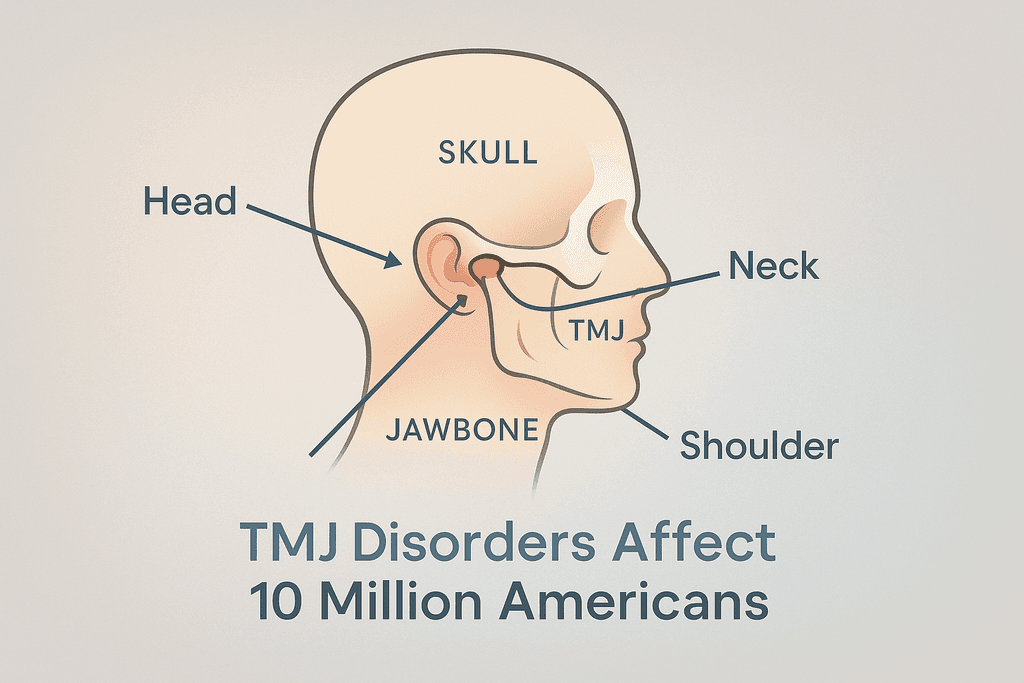
What Causes TMJ Pain
The reasons behind TMJ pain are more complex than most people realize. Your jaw takes a beating from daily stress, poor habits, and even the way you sleep at night.
- Grinding or clenching your teeth, especially during sleep
- Chronic stress that causes you to tighten your jaw muscles
- Poor posture from looking down at phones or computers
- Arthritis or inflammation in the joint itself
- Previous injuries to your jaw or face
| Common Symptom | Typical Cause | How It Feels |
|---|---|---|
| Jaw clicking | Disc displacement | Popping sound when chewing |
| Morning jaw pain | Nighttime grinding | Sore, tight muscles |
| Headaches | Muscle tension | Dull ache near temples |
| Limited opening | Joint inflammation | Can’t open mouth wide |
| Ear pain | Referred pain | Feels like ear infection |
How Acupuncture Addresses Jaw Tension
Traditional Chinese Medicine looks at TMJ pain differently than Western medicine does. Instead of just treating the jaw itself, acupuncture works to restore balance throughout your entire body. The practice views jaw pain as a sign that energy isn’t flowing properly through certain pathways in your body.
At Boulder Dynamic Acupuncture, we use targeted needle placement to release the tight muscles around your jaw and reduce inflammation in the joint. Clinical research shows that acupuncture can significantly reduce TMJ pain by calming overactive nerves and improving blood flow to the affected area. The needles trigger your body’s natural healing response, which helps relax those chronically tight jaw muscles that cause so much discomfort.
- Releases trigger points in the masseter and temporalis muscles
- Reduces inflammation around the joint capsule
- Calms the nervous system to decrease stress-related clenching
- Improves circulation to promote tissue healing
The beauty of tmj acupuncture is that it doesn’t just mask your symptoms. It addresses the root causes by helping your body find its natural balance again. Many people notice their jaw feels looser and less painful after just a few sessions.
Gentle Jaw Stretches for Daily Relief
Your jaw moves thousands of times each day when you talk, eat, yawn, and even breathe. When TMJ disorder strikes, these simple movements become painful reminders that something isn’t right. The good news is that gentle jaw stretches can work alongside tmj acupuncture to speed up your recovery and give you more control over your symptoms. These aren’t complicated exercises that require special equipment or a gym membership. You can do them while sitting at your desk, watching TV, or waiting in line at the grocery store.
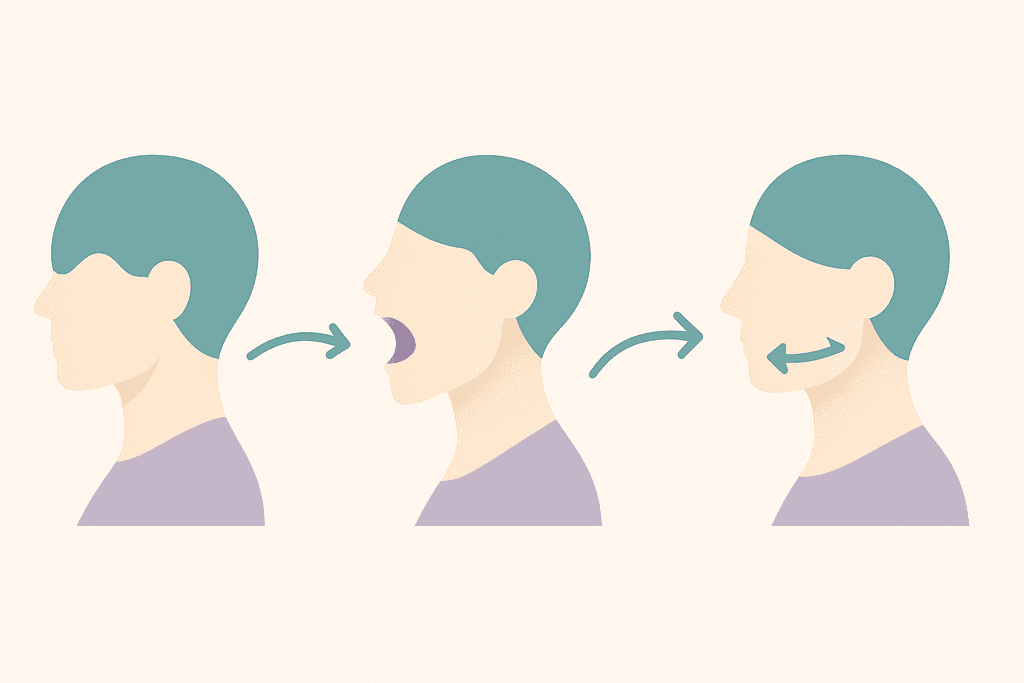
Gentle Jaw Stretches for Daily Relief
The key to making these stretches work is understanding that your jaw needs gentle, consistent movement rather than aggressive forcing. Think of it like teaching a scared animal to trust you again. Your jaw muscles have been holding tension for so long that they’ve forgotten how to relax.
Basic Jaw Stretches You Can Start Today
- Goldfish exercises involve placing your tongue on the roof of your mouth while opening and closing your jaw in a controlled way
- Chin tucks help realign the jaw and reduce forward head posture that makes TMJ worse
- Side-to-side jaw movements increase mobility and reduce stiffness without putting pressure on the joint
- Each stretch should be done slowly, stopping before you feel any sharp pain
- Aim for 2-3 times daily to see the best results
When you’re doing the goldfish exercise, keep one finger on your TMJ joint and another on your chin. This helps you feel if the movement is smooth or if there’s clicking and popping. The goal isn’t to eliminate all sounds immediately, but to gradually train your jaw to move more smoothly over time.
For chin tucks, imagine someone is gently pulling a string attached to the back of your head. Your chin moves back without tilting your head up or down. This simple movement can undo hours of slouching at a computer, which is often a hidden contributor to jaw pain that most people don’t realize.
Neck and Shoulder Stretches That Support Your Jaw
Here’s something that surprises most people with TMJ pain. Your jaw doesn’t exist in isolation from the rest of your body. The muscles in your neck and shoulders connect directly to your jaw through a complex web of fascia and muscle fibers. When your shoulders are tight and pulled up toward your ears, they’re literally tugging on the muscles that control your jaw. This is why neck tension directly affects jaw alignment and pain levels, and why treating just the jaw often doesn’t give lasting relief.
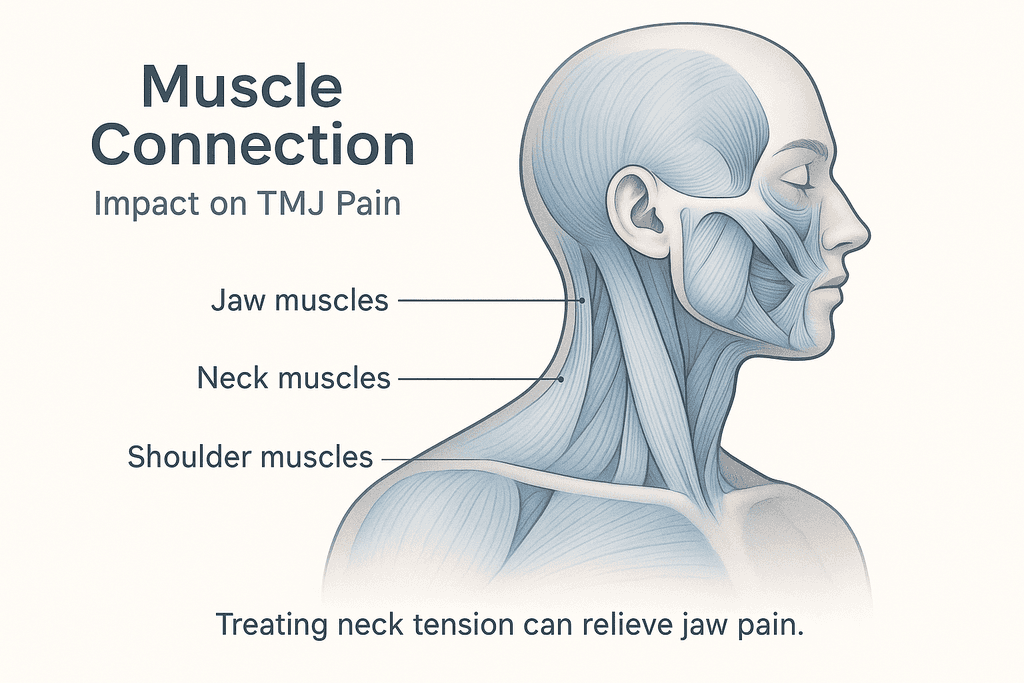
Neck and Shoulder Stretches That Support Your Jaw
At Boulder Dynamic Acupuncture, we see this connection play out every day. A client comes in complaining about jaw pain, but when we check their neck and shoulders, we find knots and trigger points that are feeding into the problem. The body is smarter than we give it credit for, and it compensates in ways that create pain patterns we don’t expect.
Stretches That Release Connected Tension
- Upper trapezius stretches release shoulder tension that pulls on the jaw throughout the day
- Levator scapulae stretches reduce neck stiffness that limits how your jaw can move
- Scalene stretches address the muscles connecting your neck directly to your jaw
- These stretches work best when combined with jaw-specific exercises for complete relief
To stretch your upper trapezius, sit up straight and gently tilt your head to one side, bringing your ear toward your shoulder. You can use your hand to add a tiny bit of extra stretch, but the key word is tiny. Most people pull too hard and activate their body’s protective response, which defeats the whole purpose. Hold for 20-30 seconds and breathe normally.
The levator scapulae stretch requires you to turn your head about 45 degrees to one side, then look down toward your armpit. You should feel a stretch along the back and side of your neck. This muscle gets incredibly tight in people who work at computers or look down at their phones all day, which is basically everyone now.
Research shows that combining traditional approaches like acupuncture with targeted exercises produces better outcomes than either treatment alone. Your body responds to the combination because you’re addressing the problem from multiple angles at once.
Timing Your Stretches with Acupuncture Sessions
Timing matters more than most people think when you’re combining stretches with tmj acupuncture treatments. Your body goes through different phases during and after acupuncture, and knowing when to stretch can make the difference between good results and great results. Light stretching before acupuncture warms up muscles and improves treatment response by increasing blood flow to the areas we’ll be working on. Think of it like warming up before exercise, except the exercise is your acupuncture session.
After your acupuncture treatment, your body is in a state of change. The needles have stimulated specific points that are now working to rebalance your system. This is not the time for intense stretching or aggressive movement. Your muscles and fascia are reorganizing themselves, and you want to give them space to do that work.
Creating Your Stretch Schedule
| When | Type of Stretch | Duration |
|---|---|---|
| Before acupuncture | Light, gentle movements | 5-10 minutes |
| After acupuncture | Rest, minimal movement | 2-3 hours |
| Between sessions | Full routine | 10-15 minutes daily |
Daily stretching between sessions maintains progress and prevents tension buildup that would otherwise undo the work we do during your treatments. It’s like brushing your teeth. You wouldn’t just brush them at the dentist’s office and expect good results. The same principle applies here.
At Boulder Dynamic Acupuncture, we create personalized stretch routines for each client based on their specific pain patterns and lifestyle. Someone who sits at a desk all day needs different stretches than someone who does physical labor. We take the time to show you exactly how to do each movement and answer questions about what you should feel.
The truth is that consistency matters more than intensity when combining stretches with acupuncture. Doing gentle stretches every day will give you better results than doing aggressive stretches once a week. Your jaw and neck muscles need regular reminders to relax and move properly. For more detailed guidance on specific jaw exercises, this step-by-step guide covers additional techniques that complement what we do in our sessions.
The combination of acupuncture and stretching works because you’re addressing both the energetic imbalances that Chinese medicine recognizes and the physical tension that Western approaches focus on. You get the best of both worlds, which is exactly what we aim for in every treatment.
Your Path to Lasting Jaw Relief
TMJ pain doesn’t have to control your life, and you don’t have to tackle it with just one approach. When you combine simple stretches with tmj acupuncture, you’re giving your jaw the best chance to heal from multiple directions. The stretches help keep your muscles loose and flexible between treatments, while acupuncture addresses the deeper tension and inflammation that stretching alone can’t reach. Think of it like watering a plant and giving it sunlight – both matter if you want real growth.
The key to seeing results is staying consistent with both parts of the plan. Most people notice their jaw feels better faster when they do their stretches daily and keep up with regular acupuncture sessions. At Boulder Dynamic Acupuncture, we create personalized treatment plans that include guidance on which stretches will work best for your specific TMJ issues.
One thing that makes a real difference is having someone check your form on these stretches. You might think you’re doing them right, but small adjustments can mean the difference between relief and wasted effort. That’s where working with an experienced practitioner comes in handy.
The good news is that tmj acupuncture combined with the right stretches tends to provide longer-lasting relief than either method alone. Your jaw muscles start to remember what it feels like to be relaxed, and over time, the pain becomes less frequent and less intense. But you probably have some questions about how this all works in practice.
Common Questions About TMJ Stretches and Acupuncture
If you’re dealing with jaw pain, you probably have questions about what works and what doesn’t. Combining stretches with tmj acupuncture can feel like unfamiliar territory, especially if you’ve never tried either approach before. Here are the answers to the most common questions people ask when they’re considering this combination for relief.
How soon will I feel relief from TMJ acupuncture and stretches?
Most people notice some improvement after their first acupuncture session, though the timeline varies based on how long you’ve had TMJ pain and how severe it is. The stretches can provide immediate tension relief in your jaw muscles, but the deeper healing takes time. At Boulder Dynamic Acupuncture, Brooks Davis works with clients to create realistic expectations based on their specific situation, drawing from over a decade of experience treating pain conditions.
Can I do these stretches if my jaw clicks or pops?
Yes, but you need to be gentle and stop if anything hurts. Clicking and popping usually means your jaw joint isn’t moving smoothly, so forcing stretches can make things worse instead of better. Start with the gentlest movements and only go as far as feels comfortable. If the clicking comes with pain or your jaw gets stuck, it’s time to see a professional before continuing any stretches on your own.
How many acupuncture sessions do I need for TMJ pain?
Most people see significant improvement within 4 to 8 sessions, though some feel better sooner and others need more time. Chronic TMJ issues that have been around for years typically require more sessions than recent flare-ups. The personalized approach at Boulder Dynamic Acupuncture means your treatment plan gets adjusted based on how you respond, not a one-size-fits-all schedule.
What should I avoid doing when I have TMJ pain?
Skip the chewy foods like bagels, tough meat, and gum until your jaw feels better. Clenching your teeth during stress, resting your chin on your hand, and opening your mouth too wide (like at the dentist or during a big yawn) can all aggravate TMJ pain. Even small habits like biting your nails or chewing on pens put extra strain on an already irritated joint.
Is it normal to feel sore after TMJ stretches?
A little muscle soreness is normal, similar to what you’d feel after any gentle stretching routine. Sharp pain or increased jaw dysfunction isn’t normal and means you’re either stretching too hard or doing movements that don’t work for your specific issue. The soreness should feel like a mild, dull ache that goes away within a day, not pain that makes it harder to eat or talk.
Can acupuncture help if stretches alone haven’t worked?
Absolutely, because tmj acupuncture addresses different aspects of the problem than stretching does. While stretches work on muscle tension and range of motion, acupuncture helps with inflammation, nerve pain, and the underlying imbalances that keep your TMJ from healing. Many people find that combining both approaches gives them relief when either one alone wasn’t enough, which is why Brooks Davis often recommends pairing acupuncture sessions with a home stretching routine.