
When pain becomes a constant companion, the search for relief can feel overwhelming, especially when pills and physical therapy haven’t worked. Both massage therapy and acupuncture promise natural pain relief, but they work in completely different ways—one focuses on muscles and soft tissue while the other targets your nervous system and energy pathways. Understanding how each approach tackles pain can help you choose the treatment that actually addresses your specific condition, whether you’re dealing with chronic back pain, arthritis, or stubborn shoulder tension.
Table of Contents
Understanding How Each Treatment Works
About 50 million Americans deal with chronic pain every single day, and most of them are looking for relief that doesn’t involve popping pills. Massage therapy and acupuncture have both been around for thousands of years, but they work in completely different ways to help your body feel better. Understanding how each one actually works can help you figure out which might be the better fit for your specific pain issues.
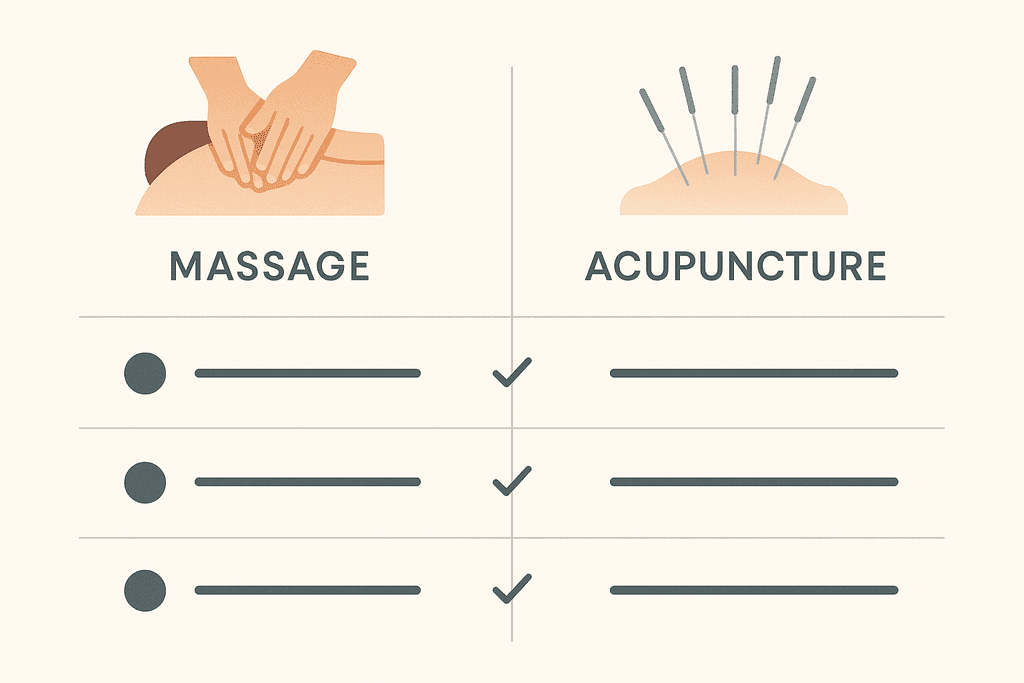
How Massage Therapy Targets Pain
Massage therapy is pretty straightforward when you think about it. A therapist uses their hands to press, knead, and manipulate the soft tissues in your body. This includes your muscles, tendons, ligaments, and the fascia that wraps around everything like a web.
When someone massages your sore muscles, several things happen at once:
- Blood flow increases to the area, bringing fresh oxygen and nutrients
- Tight muscle fibers start to relax and lengthen
- Trigger points (those painful knots) get broken up
- Your nervous system gets signals to calm down and stop sending pain messages
The physical pressure from massage can also help flush out waste products that build up in sore muscles. Most people feel the effects right away, especially if they’ve been dealing with tension or stiffness.
How Acupuncture Approaches Pain Relief
Acupuncture works through a totally different system. Traditional Chinese Medicine says that energy (called qi) flows through specific pathways in your body called meridians. When these pathways get blocked or out of balance, you feel pain or get sick. At Boulder Dynamic Acupuncture, we use thin needles placed at specific points to help restore that natural flow and get your body back in balance.
But here’s what modern science has found about how acupuncture actually works:
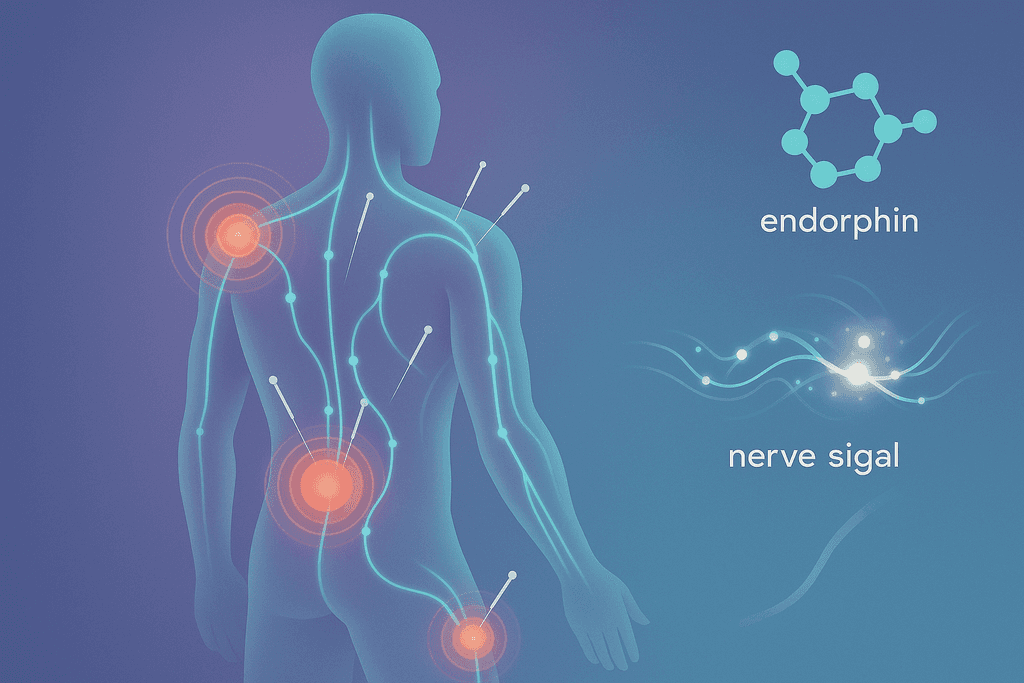
- The needles trigger your nervous system to release natural pain-killing chemicals
- Your brain gets signals to produce endorphins and other feel-good hormones
- Blood flow improves to areas that need healing
- Inflammation decreases around painful joints and tissues
- Your body’s stress response calms down significantly
The needles used in acupuncture are incredibly thin, about the width of a hair, so most people barely feel them going in. Many clients at practices throughout Boulder, including those seeking acupuncture boulder services, report feeling deeply relaxed during treatments.
Comparing the Two Approaches
Both treatments have solid research backing them up for pain relief. Studies show that massage works great for muscle tension, sports injuries, and stress-related pain. Acupuncture has been proven effective for chronic pain conditions like back pain, arthritis, migraines, and nerve pain.
| Feature | Massage Therapy | Acupuncture |
|---|---|---|
| Primary Focus | Muscles and soft tissue | Energy pathways and nerves |
| Treatment Method | Hands-on manipulation | Thin needle insertion |
| Session Length | 30-90 minutes | 45-60 minutes |
| Best For | Muscle tension, stiffness | Chronic pain, inflammation |
| Immediate Relief | Usually yes | Often after 2-3 sessions |
The interesting thing is that both treatments can help with similar problems, but they get there through different doors. Massage works from the outside in by physically changing your tissues, while acupuncture works more with your body’s internal systems and nerve responses. Some people respond better to one approach over the other, and that’s totally normal.
What Massage Therapy Does for Pain
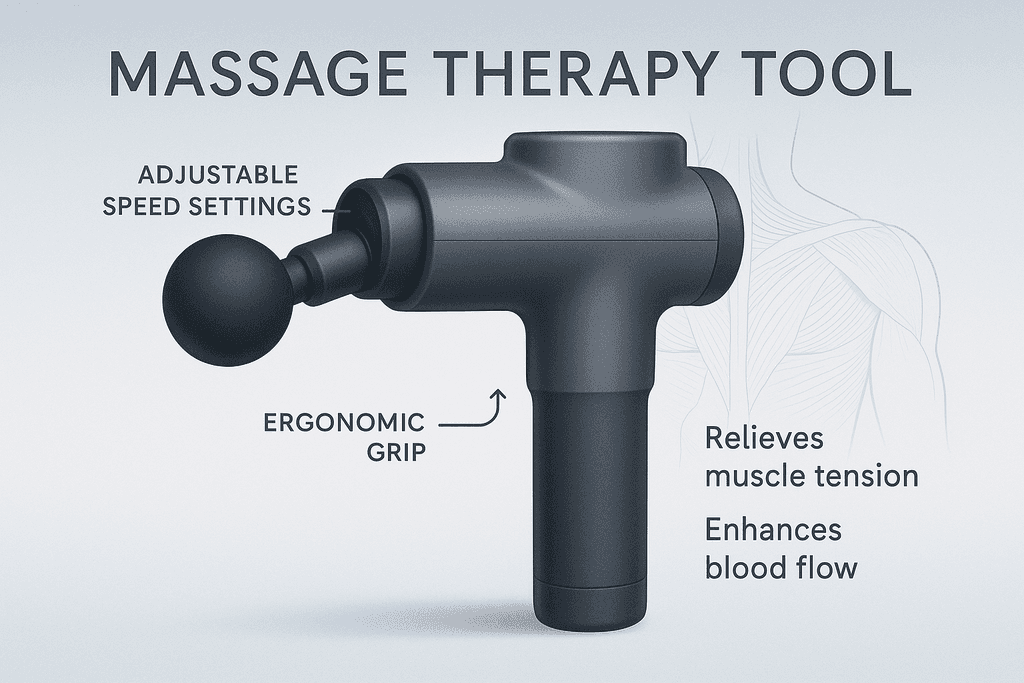
When you think about pain relief, massage probably comes to mind first. It’s been around for thousands of years, and there’s a good reason why. Massage therapy works by physically manipulating your muscles and soft tissues, which increases blood flow to the affected areas. This extra blood brings oxygen and nutrients that help damaged tissue heal faster. The direct pressure also helps break up adhesions and knots that form in tight muscles, which is why you might feel sore the day after a deep tissue session.
What Massage Therapy Does for Pain
Different types of massage target different kinds of pain. Swedish massage uses long, flowing strokes that work well for general tension and stress relief. Deep tissue massage goes deeper into the muscle layers to address chronic tightness and injury. Sports massage focuses on specific muscle groups that athletes use repeatedly.
- Increases blood circulation to injured or tight areas
- Reduces muscle tension through direct physical manipulation
- Breaks up adhesions and scar tissue in soft tissues
- Triggers relaxation response in the nervous system
- Provides immediate relief that you can feel right away
The thing about massage is that it works best for certain types of pain. If you’ve got tight shoulders from sitting at a desk all day, or your back hurts from lifting something heavy, massage can provide quick relief. It’s particularly effective for muscular pain, tension headaches, and soft tissue injuries. Many people find that stress-related pain responds really well to regular massage sessions.
But here’s what most people don’t realize. The relief from massage often doesn’t last as long as you’d hope. You might feel great walking out of your appointment, but within a few days or a week, that tension creeps back in. This happens because massage primarily addresses the symptoms rather than the underlying cause of your pain.
| Benefits | Limitations |
|---|---|
| Immediate relief | Effects may be temporary |
| Great for muscle tension | Requires frequent sessions |
| Relaxing experience | Limited for chronic conditions |
| No needles needed | Doesn’t address root causes |
How Acupuncture Tackles Pain Differently
Acupuncture takes a completely different approach to pain management. Instead of just working on the surface level, acupuncture stimulates specific points on your body that trigger your nervous system to release natural painkillers like endorphins and enkephalins. These are the same chemicals your body produces when you exercise or feel happy. Research shows that acupuncture can actually change how your brain processes pain signals, which is pretty remarkable when you think about it. A recent study comparing acupuncture and massage found that both treatments helped with pain, but they worked through different mechanisms in the body.
How Acupuncture Tackles Pain Differently
What makes acupuncture boulder treatments particularly effective is how they address pain at its source. When you have chronic back pain, for example, it’s rarely just about tight muscles. There might be inflammation, nerve irritation, or imbalances in how your body is functioning. Acupuncture works to correct these underlying issues rather than just masking the symptoms.
- Stimulates natural painkiller release through nervous system activation
- Reduces inflammation at the cellular level
- Improves nerve function and signal transmission
- Addresses root causes of chronic pain conditions
- Creates longer-lasting results between treatment sessions
The conditions that respond particularly well to acupuncture might surprise you. Arthritis, sciatica, frozen shoulder, and chronic neck pain all show significant improvement with regular acupuncture treatments. At Boulder Dynamic Acupuncture, we’ve seen people who’ve dealt with pain for years finally get relief because we’re treating the whole person, not just the painful spot.
One of the biggest differences is how long the results last. While massage might give you relief for a few days, acupuncture treatments often provide benefits that build over time. Your body starts to heal itself more effectively, which means you might need fewer sessions as treatment progresses.
Choosing the Right Treatment for Your Pain Type
So how do you know which treatment is right for you? The answer depends on what kind of pain you’re dealing with and how long you’ve had it. Acute injuries like a pulled muscle or sudden back strain often respond quickly to massage because the problem is right there in the tissue. If you tweaked your neck yesterday, massage can help relax those tight muscles and get you moving again. But if you’ve been dealing with the same pain for months or years, that’s when acupuncture really shines.
Chronic pain conditions are where the two treatments show their biggest differences. Things like arthritis, recurring migraines, or sciatica that keeps coming back need more than surface-level treatment. These conditions involve inflammation, nerve issues, and systemic imbalances that acupuncture is specifically designed to address.
| Pain Type | Best Treatment | Why |
|---|---|---|
| Acute muscle strain | Massage | Direct tissue work |
| Chronic arthritis | Acupuncture | Reduces inflammation |
| Stress tension | Both | Complementary effects |
| Sciatica | Acupuncture | Nerve pain relief |
| Sports injury | Both | Tissue and healing |
Here’s something most practitioners won’t tell you. Sometimes the best approach is using both treatments together. Combining massage and acupuncture can give you the immediate relief of bodywork plus the long-term healing benefits of acupuncture. This is especially true for complex conditions or when you’re dealing with both muscle tension and underlying inflammation.
Your personal history matters too. If you’ve tried massage for months without lasting results, it might be time to try acupuncture. On the other hand, if you’re nervous about needles, starting with massage can help you relax before exploring other options. At Boulder Dynamic Acupuncture, we take time to understand your specific situation and create a treatment plan that makes sense for your body and your goals.
What the Research Shows About Effectiveness
Studies tracking pain relief outcomes reveal something interesting about how these two treatments stack up against each other. Both massage therapy and acupuncture boulder practitioners use have been put through rigorous clinical trials, and the results show they each work well for reducing pain. What gets more interesting is when you look at how long those results last and which types of pain respond best to each approach. The data doesn’t point to one clear winner, but it does show some patterns worth paying attention to.
Immediate Versus Lasting Relief
Research consistently shows that massage therapy tends to deliver faster initial results, especially for acute muscle pain and tension. If you’ve got a tight shoulder from sleeping wrong or sore muscles after a workout, massage often provides noticeable relief within the first session. Acupuncture, on the other hand, shows its strength in longer-lasting results for chronic conditions like arthritis, ongoing back pain, and persistent neck tension.
Key Research Findings:
- A 2018 meta-analysis found acupuncture reduced chronic pain by 50% or more in 40-50% of patients
- Massage therapy studies show 60-70% of patients report immediate pain reduction after treatment
- Acupuncture effects lasted an average of 12 weeks compared to 2-4 weeks for massage in chronic pain studies
- Patient satisfaction rates exceed 80% for both treatments across multiple studies
What Works Best for Different Pain Types
The type of pain you’re dealing with matters more than most people realize. Clinical evidence suggests certain conditions respond better to one treatment over the other.
| Pain Type | Acupuncture Success Rate | Massage Success Rate |
|---|---|---|
| Chronic Back Pain | 65-70% | 55-60% |
| Acute Muscle Strain | 50-55% | 70-75% |
| Arthritis Pain | 60-65% | 45-50% |
| Neck Tension | 55-60% | 65-70% |
The Combination Approach
Here’s where things get really interesting. Studies examining combined treatment approaches show success rates climbing to 75-85% for complex chronic pain conditions. At Boulder Dynamic Acupuncture, this integrated perspective comes naturally since Brooks Davis has a background as both a massage therapist and acupuncturist. That dual experience means understanding when each approach works best and how they can work together.
Individual response varies quite a bit based on personal factors like pain duration, overall health, and even stress levels. What works amazingly well for one person might take longer for another, which is why personalized treatment plans matter so much in getting real results.
Finding Your Path to Pain Relief
Both massage therapy and acupuncture can help with pain, but they work in different ways. Massage focuses on muscles and soft tissue, which is great for surface-level tension and recent injuries. Acupuncture goes deeper, working with your body’s energy pathways to address chronic pain that’s been hanging around for months or years. If you’ve tried massage and still have pain that won’t quit, there might be something more going on beneath the surface.
The type of pain you’re dealing with matters a lot when choosing between these treatments. Acupuncture boulder practitioners often see people with complex conditions like sciatica, frozen shoulder, or arthritis that haven’t responded well to other treatments. At Boulder Dynamic Acupuncture, we work with a lot of chronic pain cases because acupuncture can address the root cause instead of just relaxing tight muscles.
Your pain history tells an important story. If you’ve been getting massages for years but the relief only lasts a few days, your body might be trying to tell you something different is needed.
The best way to figure out which treatment fits your situation is to talk with someone who understands both approaches. A consultation can help map out what’s actually causing your pain and which path makes the most sense for your specific body and lifestyle.
Now let’s look at some common questions people have when deciding between these two treatments.
Common Questions About Pain Treatment Options
Choosing between different pain treatments can feel overwhelming, especially when you’re already dealing with discomfort. These questions come up all the time at Boulder Dynamic Acupuncture, and they’re worth addressing before you book your first session. Understanding what to expect helps you make the right choice for your body and your situation.
How many sessions do I need to see results?
Most people notice some improvement after their first acupuncture session, but lasting relief typically takes 4-6 treatments for acute pain and 8-12 for chronic conditions. Massage therapy often follows a similar timeline, though the effects may wear off faster between sessions. Your body’s response depends on how long you’ve had the pain and what’s causing it.
Can you combine massage and acupuncture safely?
Yes, and many practitioners actually recommend it. The two treatments work differently but complement each other well. Some people alternate between them weekly, while others might get massage to loosen tight muscles before starting an acupuncture series. At Boulder Dynamic Acupuncture, Brooks can help you figure out the best approach based on his background as both an acupuncturist and former massage therapist.
Which treatment works faster for pain relief?
Massage often provides immediate relief that you can feel right away, but acupuncture tends to create longer-lasting changes in how your body processes pain. If you need quick relief before an event, massage might be your go-to. For addressing the root cause of chronic pain, acupuncture boulder practitioners typically see better long-term outcomes.
What should I expect during my first acupuncture session?
Your first visit includes a detailed conversation about your pain, health history, and goals. The actual needling takes about 30-40 minutes, and most people find it surprisingly relaxing. You might feel a slight pinch when needles go in, but it’s nothing like getting a shot. Many clients at Boulder Dynamic Acupuncture actually fall asleep on the amethyst heating pad during treatment.
How do I know if acupuncture is right for my pain?
Acupuncture works well for most types of pain, especially back pain, arthritis, neck tension, sciatica, and frozen shoulder. If you’ve tried other treatments without success, or if your pain comes with other issues like poor digestion or high stress, acupuncture addresses multiple problems at once. A consultation can help determine if it’s a good fit for your specific situation.
Does insurance cover acupuncture treatments?
Many insurance plans now cover acupuncture, especially for chronic pain conditions. Coverage varies widely, so it’s worth calling your insurance company to ask about acupuncture benefits. Even without insurance, many people find the long-term relief makes it more cost-effective than ongoing massage appointments or pain medications.