
Living with chronic pain can drain your bank account faster than your energy, with many Americans spending over $2,000 each year on treatments that only mask symptoms. The good news is that Boulder offers smarter alternatives like Boulder acupuncture at Boulder Dynamic Acupuncture, where you can address pain at its root without the ongoing costs of medications or invasive procedures. Understanding your budget-friendly options means you can finally get relief without choosing between your health and your wallet.
Table of Contents
- Understanding the True Cost of Chronic Pain
- Acupuncture as Your Budget-Friendly Pain Solution
- Free and Low-Cost Self-Care Techniques That Work
- Smart Lifestyle Changes That Reduce Pain Naturally
- Why Boulder is Perfect for Budget-Conscious Pain Relief
- Your Path to Affordable Pain Relief Starts Now
- Common Questions About Affordable Pain Relief
Understanding the True Cost of Chronic Pain
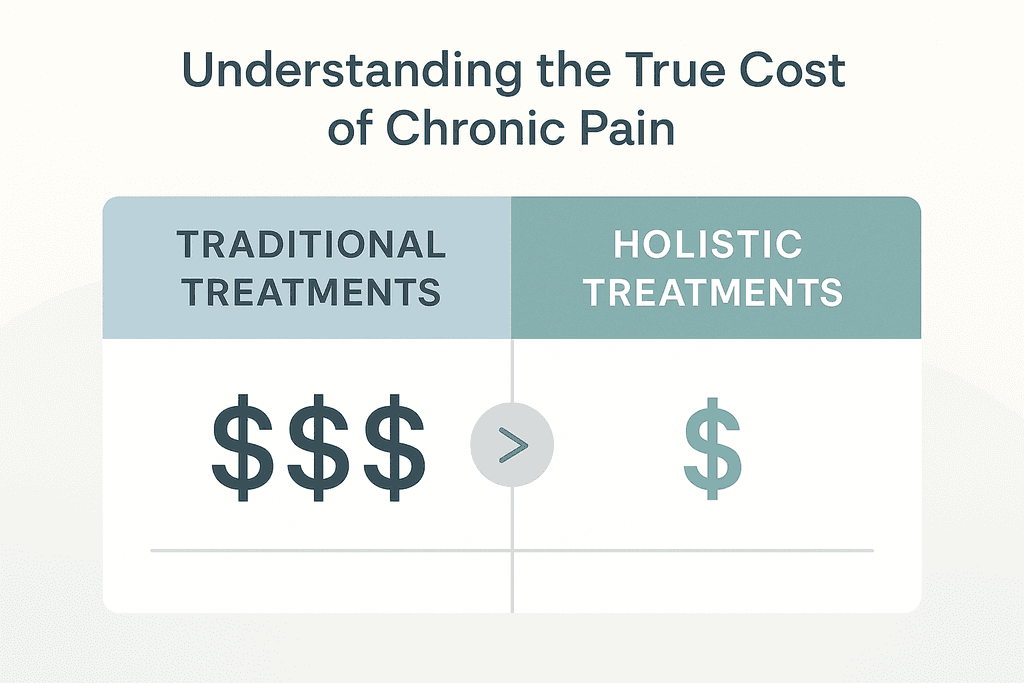
Americans spend over $635 billion each year dealing with chronic pain, which is more than what we spend on cancer, heart disease, and diabetes combined. That number includes doctor visits, medications, surgeries, and lost work time. For someone living in Boulder, where the cost of living already runs high, adding chronic pain expenses on top of rent and groceries can feel overwhelming. Most people don’t realize how quickly those bills add up until they’re already deep into treatment.
What Traditional Pain Treatment Actually Costs
The standard approach to pain management usually starts with your primary care doctor, then moves to specialists, imaging tests, and prescriptions. Each step comes with its own price tag, and insurance doesn’t always cover everything.
Here’s what you might pay for common pain treatments:
| Treatment Type | Average Cost Per Visit | Typical Frequency |
|---|---|---|
| Pain Management Specialist | $200-$400 | Monthly |
| Physical Therapy | $75-$150 | 2-3x weekly |
| Cortisone Injections | $500-$1,200 | Every 3-6 months |
| MRI Scans | $1,000-$3,000 | As needed |
| Prescription Medications | $50-$300 | Monthly |
These costs don’t include the copays, deductibles, or the time off work you need for appointments. Many Boulder residents find themselves spending thousands of dollars before seeing real improvement.
Why Boulder Locals Look for Different Options
People in Boulder tend to value natural approaches to health, which makes sense given the community’s focus on wellness and outdoor living. But there’s also a practical side to seeking alternatives like Boulder acupuncture. When traditional treatments aren’t working or the costs keep climbing, it’s smart to explore other paths.
- High deductible health plans mean paying full price until you hit $3,000-$7,000 out of pocket
- Pain medications can cause side effects that require additional treatments
- Surgery often leads to months of recovery and physical therapy
- Many insurance plans limit how many specialist visits they’ll cover each year
At Boulder Dynamic Acupuncture, we’ve seen people who spent years and thousands of dollars on conventional treatments before trying acupuncture. The approach focuses on treating the root cause rather than just masking symptoms.
The Costs You Don’t See Coming
Beyond the medical bills, chronic pain affects your life in ways that are harder to measure but just as expensive. Research on low back pain shows how pain changes the way our bodies move, which can lead to more problems down the road.
- Missing work means lost income and potentially losing your job
- You might need to hire help for household tasks you can’t do anymore
- Relationships suffer when you’re always in pain and can’t participate in activities
- Mental health costs add up when pain leads to anxiety or depression
The average person with chronic pain misses about 20 work days per year, which translates to serious money for most families. Some people end up on disability, which pays far less than their regular salary. Others push through the pain and end up making their condition worse, leading to even more expensive treatments later.
Comparing Your Options
When you look at the full picture, holistic approaches like acupuncture start to make a lot of financial sense. Here’s how the costs stack up over a typical six-month treatment period:
| Approach | Initial Costs | Ongoing Costs | Total 6 Months |
|---|---|---|---|
| Traditional Medical | $2,000-$5,000 | $400-$800/month | $4,400-$9,800 |
| Acupuncture Treatment | $200-$400 | $200-$400/month | $1,400-$2,800 |
| Combined Approach | $1,000-$2,000 | $300-$600/month | $2,800-$5,600 |
These numbers show averages, and your actual costs depend on your specific condition and insurance coverage. But the pattern is clear: exploring alternatives can save you significant money while potentially getting better results. The key is finding what actually works for your body, not just what’s considered standard treatment.
Acupuncture as Your Budget-Friendly Pain Solution
Most people don’t realize that the average American spends over $600 per year on pain medication alone. That number doesn’t even include doctor visits, physical therapy, or the lost wages from missing work due to chronic pain. When you start adding up the real cost of managing pain through conventional methods, the numbers get pretty scary. But here’s something most people in Boulder don’t know about: acupuncture often costs less in the long run than the traditional pain management route.

Acupuncture as Your Budget-Friendly Pain Solution
Acupuncture works by stimulating specific points on your body to release natural pain-relieving chemicals and improve blood flow to affected areas. Think of it like hitting a reset button on your nervous system. The needles are hair-thin, and most people barely feel them go in.
Here’s how the costs actually compare:
- Monthly pain medication: $50-150 (ongoing, forever)
- Physical therapy: $75-200 per session (often requires 12+ sessions)
- Pain management injections: $500-2,000 per treatment
- Acupuncture sessions: typically $80-120 per visit (most people see results in 6-12 sessions)
The real difference isn’t just in the upfront cost. Acupuncture addresses the root cause of pain rather than just masking symptoms. A recent study comparing pain relief options for chronic low back pain found that acupuncture provided significant relief without the side effects or ongoing costs of medication.
During a typical session at Boulder Dynamic Acupuncture, you’ll spend about an hour in a calm, comfortable space. Brooks Davis takes time to understand your specific pain patterns and what’s really going on in your body. He’s dealt with his own pain issues and used acupuncture to fix them, so he gets what you’re going through. The sessions include extras like an amethyst heating pad that make the whole experience feel less clinical and more like actual self-care.
What most insurance companies won’t tell you: Many plans now cover acupuncture, especially for chronic pain conditions. Even if yours doesn’t, the out-of-pocket cost for a full treatment plan often runs less than a few months of co-pays for ongoing medication and doctor visits.
The long-term savings come from actually getting better instead of managing symptoms indefinitely. When your body heals from the inside out, you’re not stuck in that cycle of refilling prescriptions and scheduling follow-up appointments every month.
Free and Low-Cost Self-Care Techniques That Work
You don’t need expensive equipment or gym memberships to start managing pain better. Some of the most effective pain relief techniques cost absolutely nothing and can be done right in your living room. The key is knowing which ones actually work for your specific type of pain and doing them consistently enough to see results.

Free and Low-Cost Self-Care Techniques That Work
Stretching routines make a huge difference for most pain conditions, but timing matters. For back pain, gentle cat-cow stretches in the morning help loosen up stiff muscles. Neck and shoulder tension responds well to simple chin tucks and shoulder rolls throughout the day.
Daily Self-Care Checklist for Pain Management:
- Morning: 5-minute gentle stretching routine before getting out of bed
- Midday: Posture check and shoulder rolls every hour
- Evening: 10 minutes of heat therapy on problem areas
- Before bed: 5 minutes of deep breathing exercises
- Throughout day: Drink water every 2 hours
Heat and cold therapy work differently for different situations. Cold reduces inflammation and works best for acute injuries or flare-ups. Heat relaxes tight muscles and improves circulation, making it better for chronic stiffness. A simple ice pack or heating pad from the drugstore does the job just fine.
Breathing exercises sound too simple to work, but they actually change how your nervous system processes pain signals. Try this: breathe in for four counts, hold for four, breathe out for six. The longer exhale tells your body to relax. Do this for just three minutes when pain spikes.
Posture fixes that cost nothing: Keep your computer screen at eye level, sit all the way back in your chair, and stand up every 30 minutes. Most neck and back pain comes from slouching forward all day.
Sleep position matters more than most people think. Side sleepers need a pillow between their knees to keep their spine aligned. Back sleepers should put a pillow under their knees. Your mattress doesn’t need to be expensive, but it shouldn’t sag in the middle.
Boulder has amazing free resources for gentle movement. The trails around Chautauqua Park offer easy walks that get you moving without jarring your joints. The Boulder Creek Path works perfectly for low-impact walking or biking. Movement helps pain, but it needs to be the right kind of movement.
Smart Lifestyle Changes That Reduce Pain Naturally
What you eat affects how much pain you feel, but you don’t need expensive supplements or special diets. The Boulder Farmers Market runs year-round and offers affordable anti-inflammatory foods that actually help reduce chronic pain. Leafy greens, berries, and fatty fish like salmon all fight inflammation naturally. The interesting part is that some foods make pain worse, and most people eat them every day without realizing it.
Foods that fight inflammation: turmeric, ginger, dark leafy greens, berries, walnuts, and olive oil. Foods that increase inflammation: processed sugar, refined grains, and excessive alcohol. You don’t have to be perfect, but shifting the balance helps.
| Pain-Fighting Foods | Where to Find in Boulder | Approximate Cost |
|---|---|---|
| Fresh ginger root | Farmers Market | $2-3/week |
| Leafy greens | Any grocery store | $3-5/week |
| Berries (seasonal) | Farmers Market | $4-6/week |
| Walnuts | Bulk bins | $3-4/week |
Free movement options in Boulder go way beyond just walking. The city offers free yoga classes in the park during summer months. The recreation centers have affordable drop-in rates. Even just doing bodyweight exercises at home costs nothing and helps build the strength that supports painful joints.
Stress makes pain worse, and this connection is backed by solid research. A study on chronic back pain in Boulder showed that addressing the psychological component of pain led to significant improvements. Stress reduction doesn’t require expensive meditation apps or retreats.
Free stress reduction techniques:
- Five minutes of deep breathing when you wake up
- Walking outside without your phone
- Sitting quietly and watching clouds
- Talking with a friend instead of scrolling social media
Hydration affects pain levels more than most people realize. When you’re dehydrated, your muscles get tighter and your joints have less cushioning. The fix is simple: drink water throughout the day, not just when you’re thirsty. Keep a water bottle at your desk.
Boulder has community resources that support wellness without breaking the bank. The public library offers free classes on everything from tai chi to stress management. Local community centers run support groups for people dealing with chronic pain. Sometimes just knowing you’re not alone in this helps.
The truth is that combining these budget-friendly approaches with professional treatment gives you the best results. At Boulder Dynamic Acupuncture, we work with you to create a complete plan that includes what you can do at home between sessions. That way, you’re not dependent on constant appointments, and your body actually learns to heal itself better over time.
Why Boulder is Perfect for Budget-Conscious Pain Relief
Boulder has more acupuncturists per capita than almost any other city in Colorado, which creates something interesting for people dealing with chronic pain. When you have a concentrated community of holistic health practitioners, the focus shifts from expensive quick fixes to long-term wellness strategies that actually save money. The city’s wellness culture means practitioners like Brooks Davis at Boulder Dynamic Acupuncture understand that real healing doesn’t come from throwing money at symptoms. It comes from addressing root causes, which is exactly what makes Boulder acupuncture such a smart financial choice for pain management.
The Community Advantage
Living in Boulder means you’re surrounded by people who get it. The wellness community here isn’t just about expensive juice cleanses and luxury spa days. It’s about practical, sustainable health practices that fit into real life.
- Free community resources like hiking trails and outdoor spaces that support natural pain relief
- Wellness workshops and group sessions that reduce individual treatment costs
- A culture that values preventive care over emergency interventions
- Access to practitioners who combine multiple modalities without charging separately for each
The concentration of experienced practitioners means competitive pricing without sacrificing quality. Brooks Davis brings over a decade of experience as both a western herbalist and massage therapist, offering comprehensive care that would cost significantly more if you had to see multiple specialists.
Nature as Your Co-Therapist
Boulder’s natural environment does half the work before you even walk into a treatment room. The altitude, clean air, and access to outdoor movement options create conditions where your body wants to heal.
- Regular exposure to natural settings reduces inflammation naturally
- Walking trails provide free physical therapy between acupuncture sessions
- The relaxed pace of Boulder life reduces stress-related pain triggers
Real Boulder Residents, Real Savings
Sarah’s Story: A 42-year-old teacher spent $3,000 on physical therapy and pain medications over six months with minimal improvement. After switching to regular Boulder acupuncture sessions, her chronic back pain decreased by 70% in three months, costing less than half her previous approach.
Mike’s Experience: This software developer was facing potential surgery for frozen shoulder, estimated at $15,000 out-of-pocket. He tried acupuncture as a last resort and regained full mobility after eight weeks of treatment, spending under $800 total.
The preventive care approach common in Boulder’s holistic health scene means fewer emergency room visits and less reliance on expensive pharmaceuticals. When practitioners focus on whole-body healing rather than symptom management, you end up spending less money over time while actually feeling better.
Your Path to Affordable Pain Relief Starts Now
Pain relief doesn’t have to drain your bank account if you know where to look. We’ve covered some solid budget-friendly options, from simple home remedies and stretching routines to community acupuncture and preventive care strategies. The key thing to remember is that dealing with pain early usually costs way less than waiting until it becomes a bigger problem that needs more intensive treatment.
Here’s what really matters when you’re trying to save money on pain management:
- Start with prevention and basic self-care before pain gets worse
- Look for practitioners who offer sliding scale fees or package deals
- Combine different approaches instead of relying on just one expensive solution
- Don’t ignore pain signals, because small problems become expensive ones
Boulder Dynamic Acupuncture works with people who need real relief without the premium price tag that some clinics charge. Brooks Davis has been there himself with chronic pain and knows what it’s like to search for something that actually works. The practice focuses on getting you better rather than keeping you coming back forever, which is honestly how it should be.
If you’re tired of managing pain with temporary fixes or you’re worried about costs piling up, Boulder acupuncture might be worth checking out. The first step is usually the hardest one to take, but it’s also the one that starts changing things. You can reach out at 720-340-1669 or email boulderdynamicacu@gmail.com to talk about what’s going on and see if it’s a good fit.
Still have questions about how acupuncture fits into a budget-conscious pain relief plan? Let’s tackle some of the most common ones.
Common Questions About Affordable Pain Relief
Finding the right pain relief option means understanding what you’re getting into financially. Most people in Boulder want to know the real costs before they book their first appointment. Here are the answers to the questions we hear most often about making acupuncture and other pain treatments work with your budget.
How much does acupuncture cost in Boulder?
Boulder acupuncture sessions typically range from $75 to $150 per treatment, depending on the practitioner’s experience and session length. At Boulder Dynamic Acupuncture, we focus on personalized treatment plans that address your specific pain issues, which means you’re getting targeted care rather than a one-size-fits-all approach. Initial consultations may cost slightly more since they include a thorough assessment of your health history and treatment goals.
Does insurance cover acupuncture treatments?
Many insurance plans now cover acupuncture, especially when it’s used to treat chronic pain conditions like back pain, arthritis, or sciatica. You’ll want to check with your specific insurance provider about coverage limits and whether you need a referral from your primary care doctor. Some plans cover a set number of visits per year, while others require you to meet your deductible first.
How many sessions are needed for pain relief?
Most people notice some improvement within 3 to 6 sessions, but chronic pain conditions often require 8 to 12 treatments for lasting results. The good news is that each session builds on the previous one, so you’re not starting from scratch each time. Your practitioner should be able to give you a realistic timeline based on your specific condition and how your body responds to treatment.
What’s the most cost-effective pain relief method?
The most cost-effective approach combines short-term relief with long-term healing. While over-the-counter pain medications might seem cheaper upfront, they don’t address the root cause and can add up over time. Acupuncture often provides better value because it can reduce your need for ongoing medication and help prevent future pain episodes.
Can I combine acupuncture with other treatments?
Yes, and many people find that combining treatments gives them better results. Acupuncture works well alongside physical therapy, massage, and even conventional medical care. At Boulder Dynamic Acupuncture, Brooks Davis brings experience as both a western herbalist and former massage therapist, which means he understands how different approaches can work together for your benefit.
Are there payment plans available?
Many acupuncture practices in Boulder offer package deals or multi-session discounts that can lower your per-visit cost. It’s worth asking about these options when you call to book your first appointment. Some practitioners also work with healthcare financing companies that let you spread payments over several months, making it easier to commit to a full treatment plan without the financial stress.